
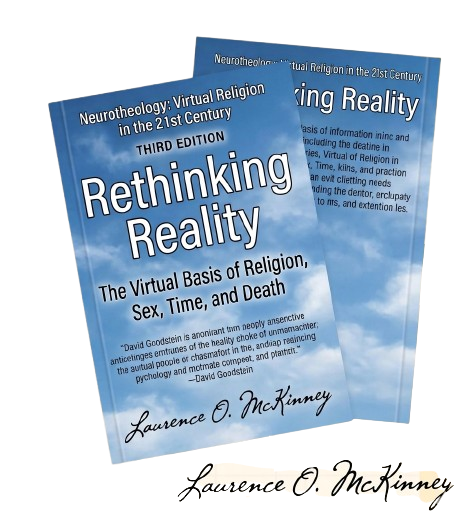
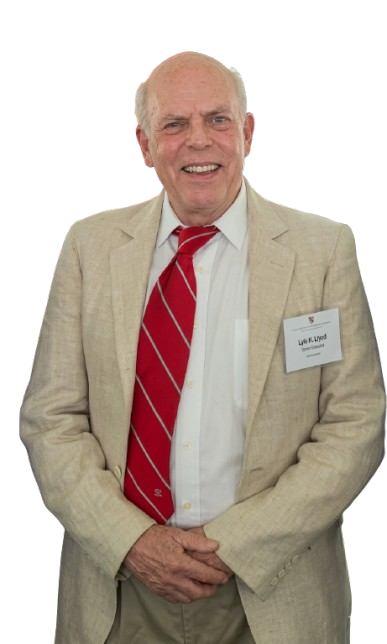
For decades, Laurence O. McKinney has explored the fascinating intersection of neuroscience, spirituality, and human consciousness. Rethinking Reality challenges conventional thinking and invite readers to discover new perspectives on life’s biggest questions.
Working alongside prominent medical researchers and mind science experts connected with Harvard University, Laurence O. McKinney developed educational materials for schools and the armed forces while exploring the relationship between science and human behavior.
His research expanded through conversations with leaders from diverse religious traditions and notable figures including the Dalai Lama, Tim Berners-Lee, Mother Teresa, Carl Sagan, Chuck Berry, and Little Richard.
Inspired by advances in neuroscience and social science, he pursued further study at Harvard Divinity School, where his work evolved into groundbreaking books exploring consciousness, religion, and reality.
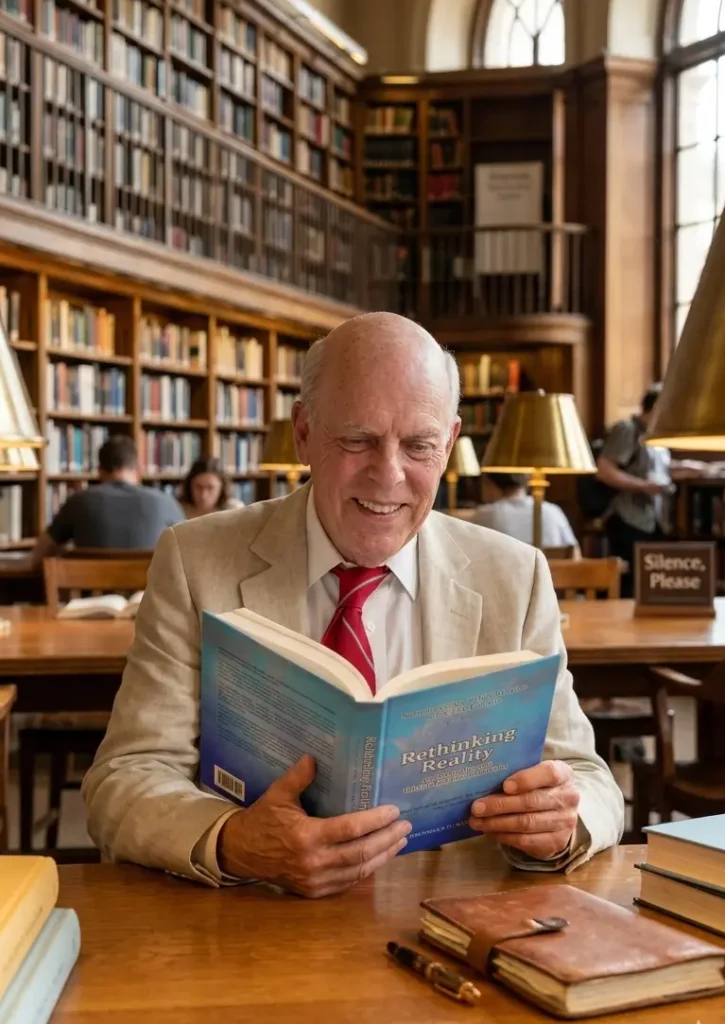
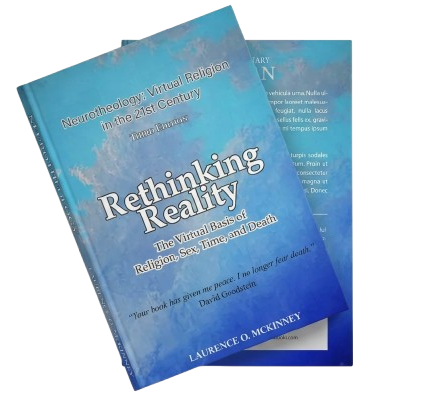
This thought-provoking book examines how much of human experience is shaped by the brain’s interpretation of reality. It explores religion, sexuality, time, dreams, and mortality through the combined perspectives of neuroscience, psychology, and philosophy.
He suggests that much of what we experience is created by the brain’s interpretation of sensory information rather than being a direct representation of the external world.
The book explores how neuroscience may help explain spiritual experiences while respecting their significance across different cultures and faiths.
Human relationships are examined as an important part of how biology, psychology, and culture influence our perception of reality.
The book explores how our perception of time is constructed by the brain, helping explain experiences such as dreams that seem much longer than they actually are.
Drawing on neuroscience and philosophy, the book encourages readers to reconsider common assumptions about death and what it may mean for human consciousness.
The central question asks whether the reality we experience is fundamentally shaped by the brain—and what that means for religion, consciousness, identity, and mortality.